Using Water-Based Paints and Stain
- Sep 5, 2021
- 3 min read
Why do I almost exclusively use water-based products? Read on to find out!

My two biggest reasons for preferring to use water-based paints and stains is that they are much more environmentally friendly and they are safer to use indoors (I am currently doing projects from inside my apartment after all). However, they do have other benefits as well: they typically dry faster, they retain color very well, they produce less odors, they are easier to clean up, and they usually require fewer coats for coverage. This is not to say that other types of paint don’t have their own benefits or may not be better suited for certain projects; water-based just tends to be my preference.
Paints:
The two main types of water-based paints are latex and acrylics. Latex paints are very versatile, with lots of color options and multiple finish types (aka sheens) -- flat, eggshell, satin, semi-gloss and high-gloss. High gloss is the most durable amongst these options, while a flat sheen provides a matte look. These days, acrylics are typically water-based, but the difference between them and latex is that acrylics are also chemical-based. This means that it is more elastic and durable, but also means that it is more difficult to clean up and can produce dangerous fumes.
I almost always recommend using primer with water-based paints to prevent any bleed-through and ensure a better finish. The best way to prevent bleed-through is to carefully wipe off all sanding dust and ensure that any wet parts of the unfinished wood are dry before starting. If bleed-through does occur, give the primer ample time to dry and then apply additional coats as needed.
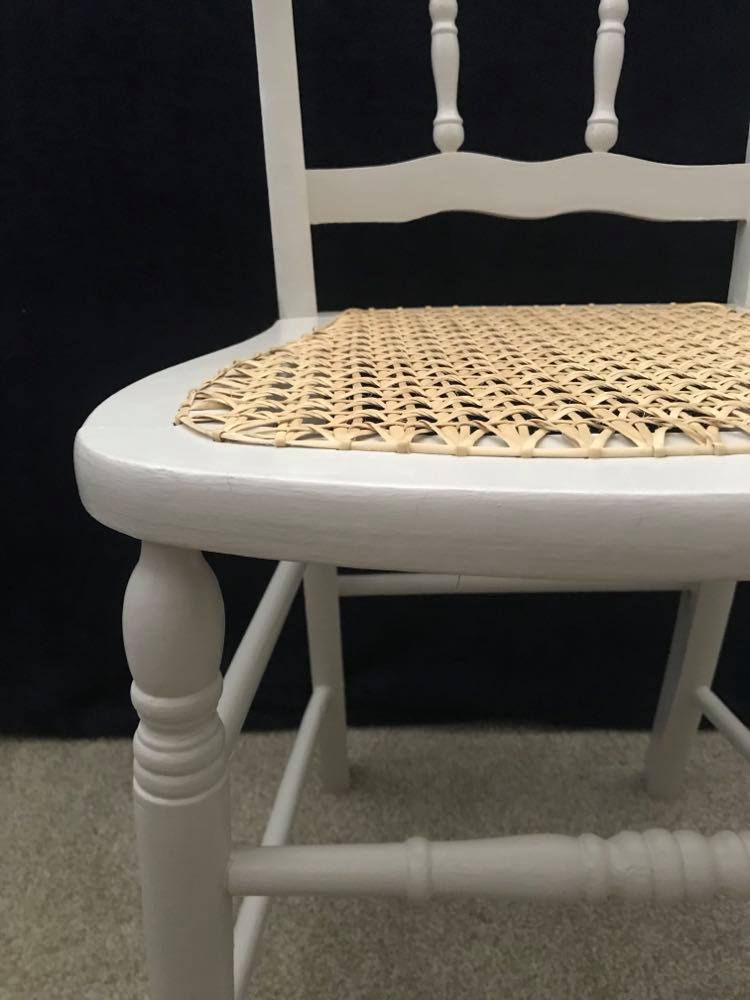
Some additional commentary on paint selection is available in my posts entitled “Old Ladder-Back Wooden Chair with Cane Seat” and “Vintage French Provincial Dixie Nightstand”. And stay tuned for an upcoming post with my review of Fusion Mineral Paint.
Stains:
I have to admit that using water-based stain and polyurethane is a bit of an art that I am still getting a knack for. The mistake I made the first time that I used it was shaking the polyurethane can beforehand...do NOT do this. The can does say this...in tiny print on the back...but I guess I should have read the label more carefully first. Oops. The more you know! The second mistake was putting on too thick of a coat of the water-based polyurethane, which caused a good deal of bleeding of the water-based stain.
Directions for using water-based stain and polyurethane:
DO shake the water-based stain well; do NOT shake the polyurethane.
Be sure to apply ample amounts of stain at a time to ensure that it doesn’t go on to thin and dry out too quickly (this can lead to an uneven appearance).
I find that applying the stain in a circular motion works well, but to remove the excess stain, wipe in the direction of the grain.
I personally prefer to use a cloth (mine is actually an old, clean cut up t-shirt), but you can also use a foam brush or something similar.
Since water and oil do not mix, water-based polyurethane is best used over water-based stain. If you do choose to use it on oil-based stain, you’ll need to sand it a bit to keep the poly from puddling/forming droplets on top of the stain.
Apply in thin coats with a foam pad (or cloth or fine brush).
Apply in the direction of the grain
Allow a few hours for the coat and then apply second coat. You will probably need 3-4 coats.
I know water-based products aren’t for everyone, but I think they have come a long way in recent years and the safer, more environmentally-friendly nature of these products makes them an easy preference in my book!





Comments